Effective Strategies for Handling Outdoor Clutter After a Storm
After a storm, you often find your yard littered with debris. From fallen branches to scattered leaves, managing this waste can be daunting. Proper cleanup is crucial not only for maintaining your property’s appearance but also for safety reasons. Efficient management of yard waste helps prevent potential hazards like fire risks or pest infestations. Let’s explore practical solutions for handling yard waste effectively.
The Importance of Professional Help
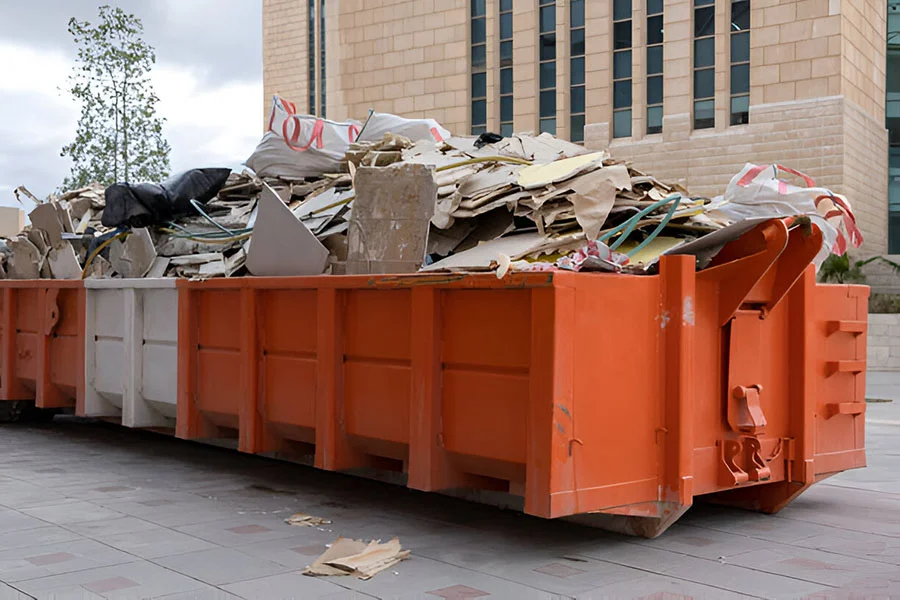
Handling large amounts of debris after a storm can be overwhelming. This is where professional help becomes invaluable. Companies specializing in debris removal have the tools and expertise needed to clear out your yard efficiently. They ensure all waste is disposed of responsibly, saving you time and effort. Hiring such services means you avoid the physical strain and focus on other post-storm recovery tasks.
Understanding Different Types of Yard Waste
Yard waste isn’t just about leaves and grass clippings. It includes larger items like tree branches, shrubs, and even uprooted trees. It’s crucial to categorize these materials because their disposal may require different methods. For instance, while small twigs can go in compost, larger logs might need special equipment for removal. By understanding what you’re dealing with, you can plan better and engage appropriate removal techniques.
Efficient Debris Removal Techniques
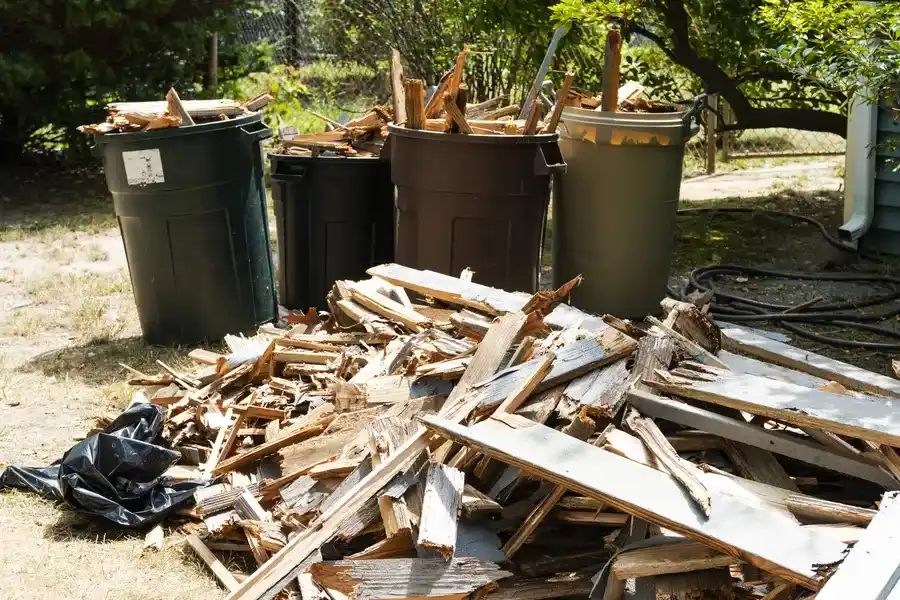
There are several effective ways to manage yard waste post-storm. Prioritize safety by ensuring you’re equipped with gloves and protective gear before starting any work. Break down large branches into manageable pieces using saws or shredders. When it comes to leaves and smaller twigs, raking them into piles makes collection easier. Professionals often use industrial-grade mulchers to turn organic waste into usable mulch, offering an eco-friendly disposal method.
Steps for DIY Yard Cleanup
- Assess the extent of the damage and prioritize areas that pose immediate hazards.
- Gather necessary tools like rakes, shovels, and wheelbarrows.
- Sort debris into categories: recyclables, compostables, and disposables.
- Use a chipper or shredder for larger branches if available.
- Bag up smaller items for community curbside pickup programs when applicable.
The Benefits of Recycling Yard Waste
Recycling yard waste offers environmental benefits. Composting organic material returns nutrients to the soil, promoting healthier plant growth. Many communities provide recycling centers for bulky green waste like tree limbs and brush. Additionally, some local governments offer incentives for residents who recycle their yard waste. This sustainable practice reduces landfill use and supports eco-friendly landscaping practices.
Cost Factors in Debris Management Services
Hiring professionals involves various cost considerations. Factors affecting price include the volume of debris, ease of access to your property, and distance from disposal sites. While upfront costs might seem high, professional services often prove more economical long-term due to their efficiency and thoroughness. Paying for quality ensures peace of mind as experts handle all aspects of the cleanup process, reducing stress and potential injury risks associated with DIY efforts.
Your Partner in Effective Storm Recovery
If storm cleanup feels overwhelming, remember that help is available. At West Junk Removal, we specialize in comprehensive yard debris management tailored to your needs. Located in Montclair, NJ, our team is ready to restore your property promptly and safely. Call us at (862) 396-6729 to learn how our services can make your yard safe and beautiful again.